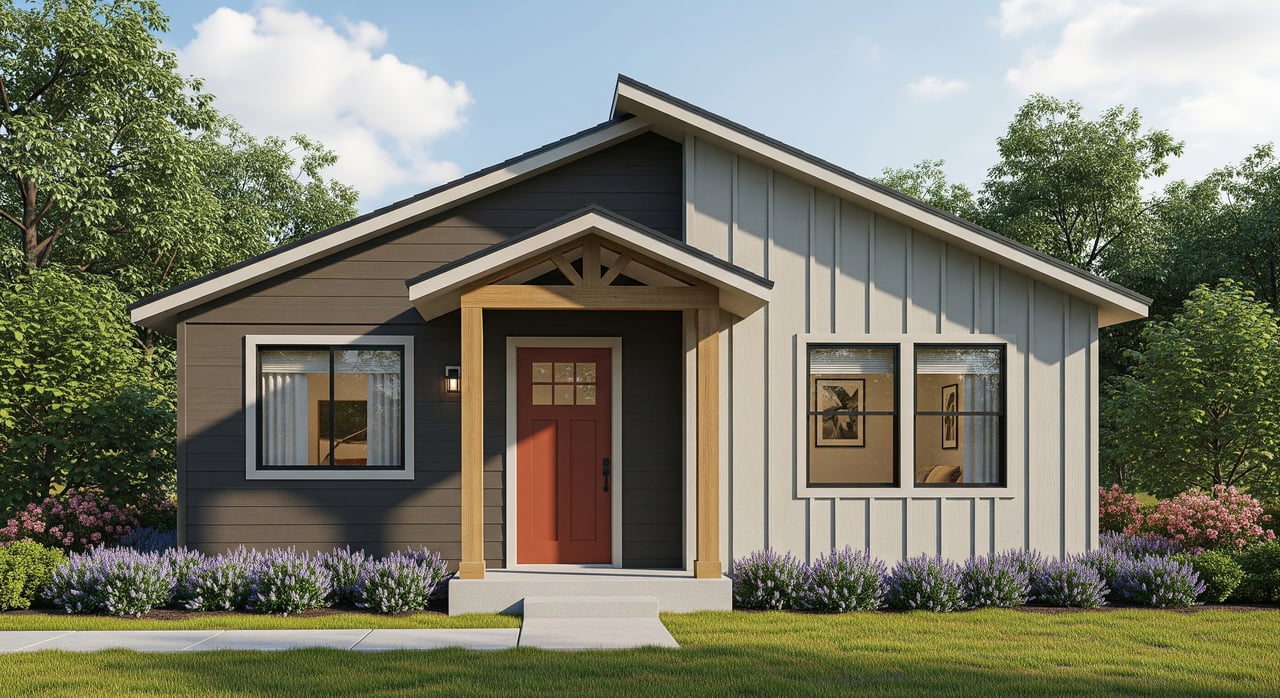
Thinking about adding a backyard cottage or converting your garage in Denver? An accessory dwelling unit, or ADU, can open the door to extra space, steady rental income, and more flexibility for your household. Yet every property is different, and Denver’s zoning, permitting, and costs can feel complex if you are just getting started. In this guide, you will learn how ADUs work in Denver, what to expect from zoning and permits, typical costs and financing options, and a step-by-step plan to move forward with confidence. Let’s dive in.
ADU basics in Denver
An ADU is a secondary, self-contained home on the same lot as your primary residence. It includes a kitchen, bathroom, and sleeping area. In Denver, common ADU types include:
- Detached ADU, such as a standalone cottage or carriage house.
- Attached ADU that expands your main home.
- Garage conversion that turns an existing garage into living space.
- Basement or in-law unit within the existing structure.
- Internal studio or apartment inside the primary home.
Homeowners choose ADUs for added space, multigenerational living, and potential rental income. Because the unit sits on your current lot, it can also support gentle neighborhood growth without changing the character of the street.
Why Denver owners build ADUs
ADUs can serve several goals at once. Here are the most common benefits and tradeoffs to weigh:
- Potential rental income from long-term tenants, subject to local rules.
- Flexible space for aging parents or adult children.
- A separate home office or guest suite that supports changing needs.
- Incremental densification while preserving single-family neighborhood fabric.
Tradeoffs to consider:
- Upfront design, permitting, and construction costs compared to long-term income.
- Possible utility upgrades and added inspections.
- Higher assessed value can increase property taxes and insurance.
- HOA rules, historic districts, or deed restrictions may limit what you can build.
Where ADUs are allowed
Denver has adopted policies and zoning provisions that allow many types of ADUs across residential zones. What you can build on your property depends on your exact zoning district and site details. Key factors include:
- Zoning district and any overlay districts affecting your property.
- Lot size, building coverage, height limits, and setback requirements.
- Maximum ADU size, which may be a square-foot limit or a percentage of the primary home.
- Parking requirements, with possible reductions near transit in some cases.
- Owner-occupancy or unit ownership rules, which can impact use or financing.
- Short-term rental restrictions and registration requirements.
- Utility connections and separations for water, sewer, and mechanical systems.
- Historic district, conservation overlays, or HOA rules that can add design or placement limits.
How to check your property
Use this simple process to see if your lot can host an ADU:
- Identify your zoning district using Denver’s official zoning map or CPD property lookup.
- Review Denver’s ADU guidance and the zoning code sections for your district.
- Check if you are in a historic district or overlay that adds design review.
- Confirm lot size, setbacks, height, and coverage comply with ADU standards for your zone.
- Contact Denver Community Planning & Development (CPD) for a zoning interpretation or pre-application meeting.
- Review HOA covenants and any deed restrictions that might prohibit ADUs or rentals.
Permits and timeline
Most ADU projects follow a common path from concept to completion. Plan for these steps and build in time for reviews and revisions:
- Feasibility and due diligence. Confirm zoning, utilities, easements, and site constraints like trees or stormwater. If applicable, speak with Historic Preservation staff early.
- Design and construction documents. Hire an architect or designer, and when required, structural and MEP engineers to produce code-compliant plans.
- Pre-application or intake. Optional but helpful for flagging issues before you submit.
- Building permit application. Submit plans, site plan, energy compliance, trade details, and any required surveys. Pay permit and review fees.
- Plan review and corrections. Expect at least one round of reviewer comments and drawing revisions.
- Permit issuance. Approvals plus fee payment lead to a construction permit.
- Construction and inspections. Inspections occur at key milestones, including foundation, framing, rough-in trades, insulation, and finals.
- Certificate of occupancy. Issued after final inspection for a separate dwelling unit.
Typical timelines vary with project scope and review workloads:
- Zoning check and pre-application: 1 to 4 weeks.
- Design and drawings: 4 to 12 or more weeks.
- Plan review and permit issuance: often 4 to 12 or more weeks.
- Construction: 3 to 9 or more months, with interior or garage conversions usually faster than detached new builds.
- Overall project length: about 4 to 12 months for many ADUs. Complex detached builds may take 12 to 18 months.
Helpful tips:
- Use the city’s online permit portal to track status and responses.
- Ask about any fee waivers or expedited reviews that could apply.
- If you are in a historic district, allow extra time for design review.
- Work with design and build teams experienced in Denver permitting to reduce re-submissions.
Costs and financing
Every site is unique, but most ADU budgets include the same major categories:
- Hard costs: foundation, framing, finishes, mechanical, plumbing, electrical, exterior siding and roofing, windows and doors, landscaping and site work.
- Soft costs: architect and engineer fees, permit and impact fees, plan review fees, utility connection upgrades, surveying, geotechnical reports if needed, and meter fees.
- Contingency: 10 to 20 percent for surprises and potential price escalation.
- Ongoing costs: utilities, higher property taxes from increased assessed value, insurance, and maintenance.
Typical ranges to expect:
- Interior and garage conversions. These often fall at the lower end, from the tens of thousands into the low six figures depending on scope and existing conditions.
- Detached new-build ADUs. Nationwide, these frequently range from roughly $150 to $400 or more per square foot, with total project costs often in the mid-six figures, such as $100,000 to $300,000 or more. Local bids vary, so request multiple estimates.
Key cost drivers:
- Foundation complexity, site grading, and retaining walls.
- Utility hookups or capacity upgrades.
- Access, stairs, and required parking solutions.
- Specialty finishes and energy features.
Financing options for Denver homeowners include:
- Cash or savings.
- Home equity loan or HELOC.
- Cash-out refinance.
- Renovation loan programs such as FHA 203(k), subject to lender practices.
- Personal construction loan followed by a refinance or permanent mortgage.
- Local lending or incentive programs. Check for Denver housing or energy offerings that fit your plan.
Rentals and value
If rental income is a goal, estimate conservatively:
- Review comparable long-term rentals of similar size and location to set a realistic rent range.
- Calculate net operating income by subtracting vacancy, utilities you may cover, property taxes, insurance, management, and maintenance from gross rent.
- For short-term rentals, Denver has specific registration and tax requirements. Confirm whether your ADU can be used for STR and what rules apply to your location before you assume nightly income.
ADUs often add value, but results vary by market and quality:
- Appraisal uplift depends on unit design, finishes, and comparable sales. Speak with local professionals for expectations.
- Property taxes and insurance are likely to increase due to higher assessed value and added coverage needs.
- Consult a tax advisor on rental income, deductions, depreciation, and potential capital gains implications when you sell.
Feasibility checklist
Use this quick checklist to decide if you should move to detailed planning:
- What is the property’s zoning, and are there overlay districts?
- Is the home in a historic district or subject to conservation rules?
- Does the lot meet setback, coverage, and height limits for an ADU?
- Are there easements, trees, slopes, or utility lines that constrain placement?
- Do HOA covenants or deed restrictions limit accessory structures or rentals?
- What is your target budget, and do early contractor estimates support it?
- What rents are realistic for a unit of this size in your neighborhood?
- Will utilities be separately metered, and do you need capacity upgrades?
- Will you live on-site if that affects rules or financing choices?
Get started now
Here is a simple path to move from idea to action:
- Look up your zoning and any overlays and save the official details for your records.
- Contact Denver CPD for a pre-application conversation to confirm what is allowed on your lot.
- Gather site measurements, setback info, your plat or deed, and note any easements.
- Consult 1 to 2 architects experienced with Denver ADUs for a preliminary concept and budget opinion.
- Request bids from local contractors who regularly complete ADUs and garage conversions.
- Check HOA covenants and, if applicable, speak with Historic Preservation staff early.
- If rent is part of the plan, research comps and consider speaking with a property manager about expected rent, vacancy, and typical tenants in your area.
If you want a local, strategic partner to help you weigh cost, rent potential, resale impact, and neighborhood fit, reach out to Glenn Janda for a friendly, data-informed consultation.
FAQs
What is an ADU in Denver?
- An ADU is a secondary, self-contained home on the same lot as your primary residence, typically with its own kitchen, bathroom, and sleeping area.
Are ADUs allowed on my Denver property?
- It depends on your exact zoning, overlays, lot size, setbacks, and any HOA or historic rules; confirm with Denver CPD and review the zoning code for your district.
How long does it take to build a Denver ADU?
- Many projects run 4 to 12 months from feasibility to occupancy, while complex detached builds can take 12 to 18 months depending on design, reviews, and construction.
How much does a Denver ADU cost?
- Interior or garage conversions can range from the tens of thousands into the low six figures; detached ADUs often land in the mid-six figures and around $150 to $400 or more per square foot.
Can I use a Denver ADU for short-term rentals?
- Possibly, but Denver has specific STR rules and registration requirements; confirm eligibility for your property and zoning before planning nightly rentals.
Do I need parking for a Denver ADU?
- Parking requirements vary by zoning district and location; some areas near transit may have reduced or waived parking for ADUs, so verify with CPD.
What if my home is in a historic Denver district?
- Expect a separate historic review that can affect design and add time; engage Historic Preservation staff early to understand requirements.