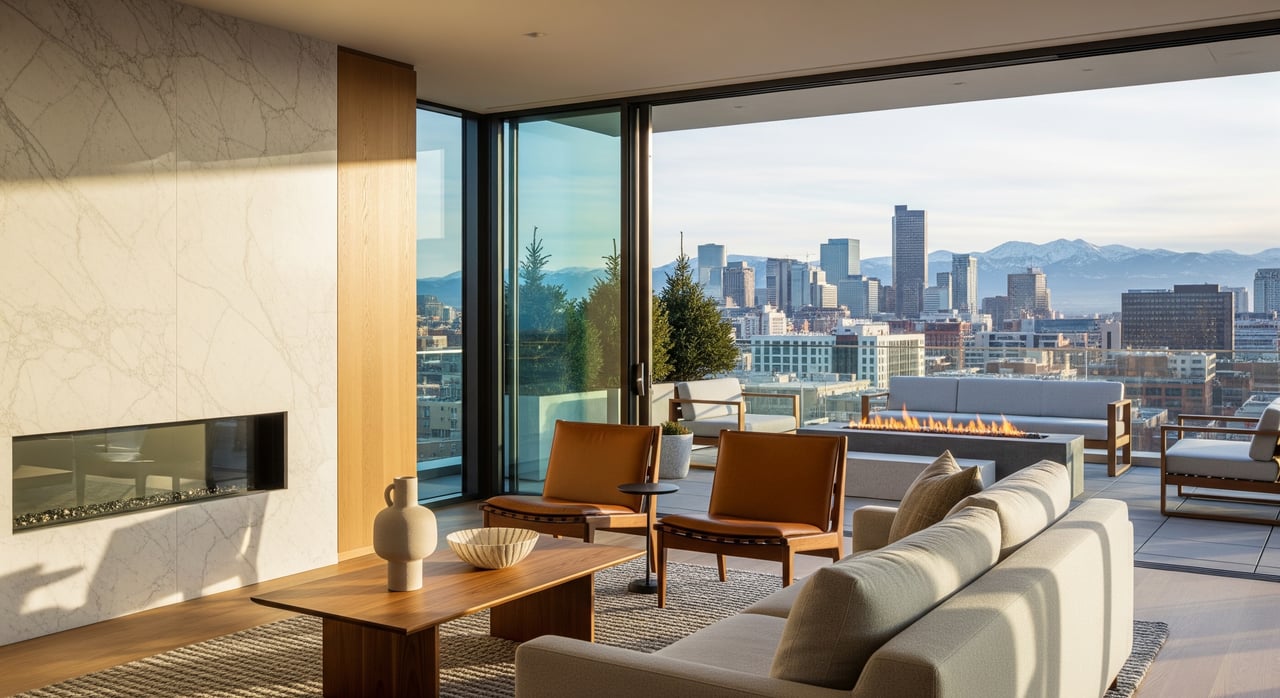
Considering a move to the Mile High City? Denver blends big-city energy with quick access to mountains, parks, and year-round sunshine. You want a clear picture of daily life, from neighborhoods and commutes to weather and housing. In this guide, you’ll learn how Denver feels block by block so you can decide where you’ll thrive and what tradeoffs fit your lifestyle. Let’s dive in.
Denver at a glance
Denver is Colorado’s capital at 5,280 feet above sea level. The elevation shapes life here with thinner air, stronger sun, and a dry, semi-arid climate. You’ll get four seasons, low humidity, and plenty of sunny days, with winter snow that often melts quickly.
About 715,000 people live in the city, with roughly 2.9 to 3.0 million in the metro area. The job market is diverse, with strength in healthcare, tech and startups, professional services, aerospace and defense, and industries tied to outdoor recreation.
Commutes vary by neighborhood, but the average one-way time typically lands in the mid-to-high 20 minutes. Denver International Airport is a major hub, and you can reach it from downtown in about 35 to 50 minutes by road. The RTD A Line offers a direct rail connection between Union Station and the airport.
Neighborhood snapshots
Denver changes fast block to block. Think about how you want to spend your weekday evenings and weekend mornings, then match that to the area.
Downtown and central
- Vibe: Walkable, high-energy districts with restaurants, nightlife, and sports venues like Coors Field.
- Housing: Mostly condos and apartments with smaller floor plans and limited parking.
- Daily life: Walk to coffee, late-night dining, and quick access to events. You trade space for convenience.
RiNo, Five Points, Golden Triangle, Capitol Hill
- Vibe: Arts-forward areas with breweries, murals, galleries, and frequent pop-up events.
- Housing: Mix of lofts, condos, apartments, and new residential conversions.
- Daily life: Food halls, bike-to-office routines, and an active local scene.
Northwest and Highlands
- Vibe: Trendy, neighborhood feel near the urban core, including Highlands, Berkeley, and Sloan’s Lake.
- Housing: Bungalows, townhomes, and newer builds.
- Daily life: Short drives or bike rides to downtown, plus parks and lakes for casual runs and weekend strolls.
South, Cherry Creek, Washington Park
- Vibe: Tree-lined streets, established homes, and an upscale retail core in Cherry Creek.
- Housing: Single-family homes with yard space and renovated classics.
- Daily life: School drop-offs, local boutiques, and long walks or runs in Washington Park.
Northeast and East
- Vibe: Master-planned communities and newer construction, including Central Park and nearby areas toward Aurora.
- Housing: Single-family homes with more space and newer systems.
- Daily life: More car-dependent, with growing retail corridors and bike paths.
Suburbs around Denver
- Vibe: Space and convenience in places like Lakewood, Englewood, Centennial, Littleton, and beyond.
- Housing: Larger yards and varied styles, with many neighborhoods near strong district options.
- Daily life: Commutes tend to be longer and car-centric. Mountain day trips are easier from certain suburbs.
Housing and cost of living
The cost of living in Denver is above the U.S. average, driven mostly by housing. Prices vary widely by neighborhood and property type, and recent years brought strong growth followed by more moderate trends in many areas. If you are buying, you’ll see different value propositions depending on where you focus.
What you get in different areas
- Central condos: Smaller footprints near nightlife and offices. HOA fees and parking considerations often apply.
- Classic bungalows: Character homes in established neighborhoods. Budget for aging systems and updates.
- Suburban single-family: More square footage and yard space, often with newer construction.
Rent versus buy
- Urban cores: Higher rent per square foot, but you gain walkability and convenience.
- Suburban options: More space for the price, with longer commutes for many jobs.
- Entry points: Older condos and townhomes can help you establish ownership while staying close to amenities.
Market context
Denver’s pricing shifts with interest rates and supply. Citywide averages can hide big neighborhood differences. For current conditions, consult market snapshots from the Denver Metro Association of Realtors and local MLS summaries. Focus on neighborhood-specific data and property type comparisons.
Getting around
Denver is drivable, and many residents rely on cars for daily routines. Expect peak-hour congestion on routes like I-25, I-70, I-225, US-36, and C-470, especially around job centers and during ski traffic weekends.
RTD runs light rail and bus service across the city and suburbs. The A Line connects downtown to the airport. Transit helps most in central areas, though many commutes still need a mix of transit and last-mile solutions.
Cycling culture is strong. You’ll find multiuse trails like the Cherry Creek Trail and the South Platte River Trail, plus expanding bike lanes. E-bikes and scooters are common in warmer months.
The bottom line: Commute time is very location-dependent. In walkable cores, you can get to work in minutes. From outer neighborhoods or suburbs, plan on 30 to 60 minutes or more during peak times.
Weather and the outdoor lifestyle
Denver’s weather delivers variety. You can get snow in winter and a sunny afternoon the next day. Daily temperature swings are common, especially in spring and fall. Late spring hail and summer thunderstorms can occur, and regional air quality can dip during late-summer wildfire season.
At elevation, you may feel short-term effects like mild headaches or shortness of breath when you arrive. Hydrate, increase activity gradually, and use sunscreen and sunglasses. UV exposure is stronger at this altitude.
Outdoor access is a major perk. Foothill trailheads are often 30 to 60 minutes from town. Popular ski areas are roughly 1.5 to 3 hours by car. In the city, you’ll enjoy big parks like City Park and Washington Park, lakes, urban trails, and recreation centers. Red Rocks Amphitheatre, about 20 to 30 minutes from downtown, is a standout for concerts and hiking.
Practical tips:
- Keep winter tires or plan for snow-ready transport, plus warm layers and waterproof footwear.
- Store a small go-bag with sunscreen, water, and a hat in your car.
- If you plan to bike or use transit, map routes and access points before you tour homes.
Schools and education
Denver Public Schools is the primary city district. Families also consider neighboring districts in the suburbs, along with charter and private school options. University choices include the University of Denver, Metropolitan State University of Denver, and the University of Colorado Denver.
School attendance and offerings vary by neighborhood. If schools are a priority, review district resources and enrollment zones before you decide on an area. Use neutral, up-to-date sources to compare programs.
Who thrives in Denver
- Young professionals: Quick access to work hubs, restaurant scenes, and cultural events. Car-light living is possible in the core.
- Growing families: Established neighborhoods and suburbs offer parks, yard space, and varying school options.
- Remote and hybrid workers: A sunny climate and outdoor access support balanced routines.
- Active retirees: Single-level living and low-maintenance homes appear across the metro, with easy access to health services and recreation.
Is Denver right for you? A quick checklist
- Do you want walkability over square footage or more space with a longer commute?
- How much driving are you comfortable with during peak hours?
- Are you sensitive to altitude or air quality during wildfire season?
- Would urban arts and dining or parks and yard space better fit your daily rhythms?
- Is proximity to mountains, trails, and ski areas a must-have?
How a local advisor helps
Choosing the right Denver neighborhood is about lifestyle fit, commute tolerance, and long-term value. A consultative approach can save you time and help you avoid costly missteps. With more than two decades of local market experience and marketing expertise, Glenn guides buyers and sellers through neighborhood selection, pricing strategy, staging, and negotiation across urban, suburban, and foothills markets.
If you are buying, you’ll get hyper-local search support and neighborhood-level insights to compare tradeoffs. If you are selling, you’ll benefit from professional marketing, polished presentation, and targeted exposure to the right audience. When you are ready to explore your options, connect with Glenn Janda to Schedule a Free Consultation.
FAQs
Is Denver a good fit for families moving to the city?
- Many city neighborhoods and nearby suburbs offer parks, varied home types, and a range of school options; compare districts and commute times to your daily needs.
How expensive is living in Denver compared to the U.S. average?
- Overall costs are higher, driven mainly by housing, while groceries, utilities, and transport run around near to somewhat above national averages depending on choices.
Can you live car-free in central Denver?
- It is possible in downtown and select inner neighborhoods with walkability and transit access, though most residents still use a car at least part-time.
How far are the mountains from Denver for weekend trips?
- Foothill trailheads are often 30 to 60 minutes away, and many popular ski resorts are roughly 1.5 to 3 hours by car depending on traffic and conditions.
What are common Denver commute patterns for suburban residents?
- Expect 30 to 60 minutes or more during peak hours, with location, route, and weather playing a big role in day-to-day timing.
What should newcomers know about altitude and health in Denver?
- You may feel mild effects at first; hydrate, ease into activity for 48 to 72 hours, and use sun protection due to stronger UV at elevation.