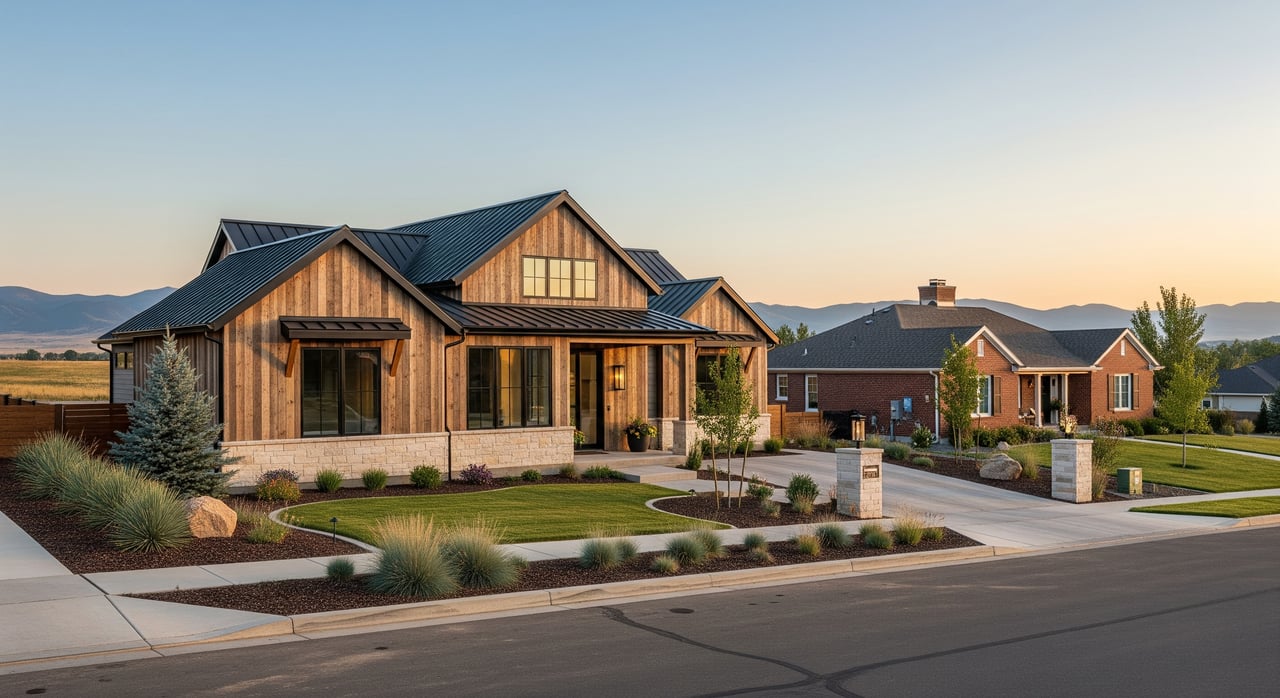
Should you choose a brand-new build in Parker or an established resale home? It is a big decision that affects your timeline, budget, and long-term comfort. You want clarity on costs, inspections, taxes, and resale value before you move forward. This guide breaks down what to expect in Parker so you can choose with confidence. Let’s dive in.
New construction: what you get
New construction in Parker comes in a few formats. You will see move-in ready spec or inventory homes, plus build-to-order homes where you choose finishes at a design center. Many new neighborhoods are part of large master-planned communities funded by metro districts, which shape taxes and amenities.
Timing depends on the type you choose. Spec or inventory homes can often close in about 30 to 60 days. Build-to-order homes commonly take 4 to 12 months or longer depending on lot readiness, permitting, weather, and builder schedules. Expect more schedule variability than a typical resale purchase.
Customization is a major advantage. New homes deliver modern layouts, efficient systems, and the option to personalize finishes. You also get builder walk-throughs and punch lists near closing to address issues. Ask for written warranty terms and any third-party structural coverage so you know what is included and for how long.
Inspections still matter. Independent pre-drywall and final home inspections help catch defects early and create a documented list for the builder to fix. In Colorado, radon testing is also recommended. Request energy-performance details, system manuals, and the final Certificate of Occupancy so you have a complete file for future maintenance and resale.
Resale homes: what you get
Resale homes in Parker tend to offer quicker closings. A financed purchase often takes about 30 to 45 days from contract to closing if inspections and underwriting go smoothly. All-cash deals can be faster.
You benefit from established neighborhoods with mature landscaping and finished surroundings. Floor plans and systems may be older, so plan for possible upgrades or near-term maintenance. On the plus side, you can compare market data from nearby closed sales and rely on standard inspection and appraisal contingencies.
Resale contracts typically include defined inspection objection periods. This gives you time to evaluate the property and negotiate repairs or credits. Appraisals often have more comparable sales to support value in mature neighborhoods.
Costs, incentives, and financing
Builders in Parker often offer incentives like rate buy-downs, closing-cost help, or upgrade credits. These promotions are usually time-limited and may require using a preferred lender or title partner. Compare the full package against the home’s price and your long-term monthly payment.
New construction can carry appraisal risk if there are limited comparable sales in an early phase. Appraisers will look to similar new homes in the same subdivision or nearby. If an appraisal comes in low, discuss options with the builder and your lender, such as price adjustments, credits, or appraisal review.
Confirm loan program compatibility when buying in a metro district. Some programs handle taxes and special district levies differently, which can affect underwriting or monthly escrow amounts. Also ask your lender about closing structures if the builder needs final permits or inspections close to your closing date.
HOA and metro district basics
In Parker, it is common to see both HOAs and metro districts. An HOA manages community rules, amenities, and common-area maintenance through dues. A metro district is a special district that helps finance infrastructure like roads, water, sewer, parks, and lighting through property taxes and fees.
Metro district levies can significantly impact your effective tax bill. Ask for a current property tax estimate that includes all district mill levies. Review the district’s service plan and any bond disclosures to understand tax limits, services provided, and whether more debt is possible in the future.
Clarify who maintains what. In some neighborhoods, the HOA handles landscaping and amenities while the metro district handles infrastructure. Learn how boards are governed and how residents participate. Review HOA CC&Rs, budgets, and reserve information to anticipate rules and potential assessments.
Resale outlook in Parker
Resale strength in Parker depends on location within town, proximity to major corridors, parks and trails, and planned retail and amenities. School boundaries and performance can influence demand, so confirm the assignments that apply to the homes you are considering. Lot size, orientation, and views also matter for long-term value.
New master-planned areas may appreciate as amenities are completed and the community matures. Higher metro district taxes can affect monthly costs for future buyers, which may influence resale pricing. Established neighborhoods can feel more stable and may offer larger trees, finished streetscapes, and a ready-made sense of place.
Market cycles affect new construction and resale differently. When new inventory rises, builders may add incentives to move homes. Resale supply depends on homeowner decisions and can shift with interest rates and life events. Look at local MLS data for days on market, pricing, and inventory trends to guide expectations.
Parker buyer decision checklist
- Confirm your move-in date and choose accordingly: resale or spec home for speed, build-to-order if you can wait.
- Get preapproved with a lender experienced in Colorado new construction and metro districts.
- Review the builder contract carefully, including cancellation terms, change orders, completion standards, and dispute resolution.
- Compare net value of incentives versus price concessions and interest rate options. Check if incentives require a preferred lender or title.
- Schedule independent inspections on new builds, including pre-drywall and final. Add radon testing.
- Obtain and review all warranties, system manuals, and the final Certificate of Occupancy.
- Request HOA CC&Rs, current dues, budget, and any reserve study. Ask about planned assessments.
- Get a current property tax estimate from county records that includes metro district levies. Review the district’s service plan and bond disclosures.
- Pull comparable sales for similar lots and floor plans in both new and established neighborhoods you are considering.
- Confirm school boundaries and check for planned developments like parks or retail that could affect value.
- Add appraisal, inspection, and financing contingencies where possible. Clarify remedies for construction delays in builder contracts.
- Evaluate lot grading and drainage, solar exposure, proximity to roads and utilities, and everyday commute routes.
Which fits you? Quick scenarios
- You need to move within 60 days: Focus on resale or move-in ready spec homes.
- You want customization and energy efficiency: Consider a build-to-order home and plan for a longer timeline.
- You are sensitive to total monthly costs: Compare HOA dues and metro district taxes across communities before deciding.
- You want mature landscaping and finished surroundings: Look at established resale neighborhoods.
- You are building long-term and want a new community’s amenities: Early phases can benefit as amenities and retail come online.
Next steps
Choosing between new and resale in Parker comes down to timing, budget, and how you weigh customization against convenience. If you want a clear plan tailored to your move, your financing, and the neighborhoods on your short list, let’s talk through it together. Schedule a Free Consultation with Glenn Janda to compare options and move forward with confidence.
FAQs
Are inspections necessary for new construction in Parker?
- Yes. Independent pre-drywall and final inspections help document issues early, support a punch list, and protect your investment. Add radon testing for extra peace of mind.
How do metro districts affect my property taxes in Parker?
- Metro district bonds are typically repaid through property taxes and fees, which can increase your effective tax rate. Always get a full tax estimate and review the district’s service plan and bonds.
Do builder warranties cover everything on a new home?
- No. Warranties vary by builder and component. Review coverage terms and any third-party structural warranty, and keep inspections on your checklist.
Will a new Parker home appreciate faster than a resale?
- It depends on location, amenities, community maturity, and demand. New homes can carry a premium for features, while established areas can offer stability and strong appeal.
Are there financing differences for new builds in Parker?
- Yes. Appraisal methods, documentation, and metro district taxes can affect underwriting. Work with a lender who knows local new construction and special districts.