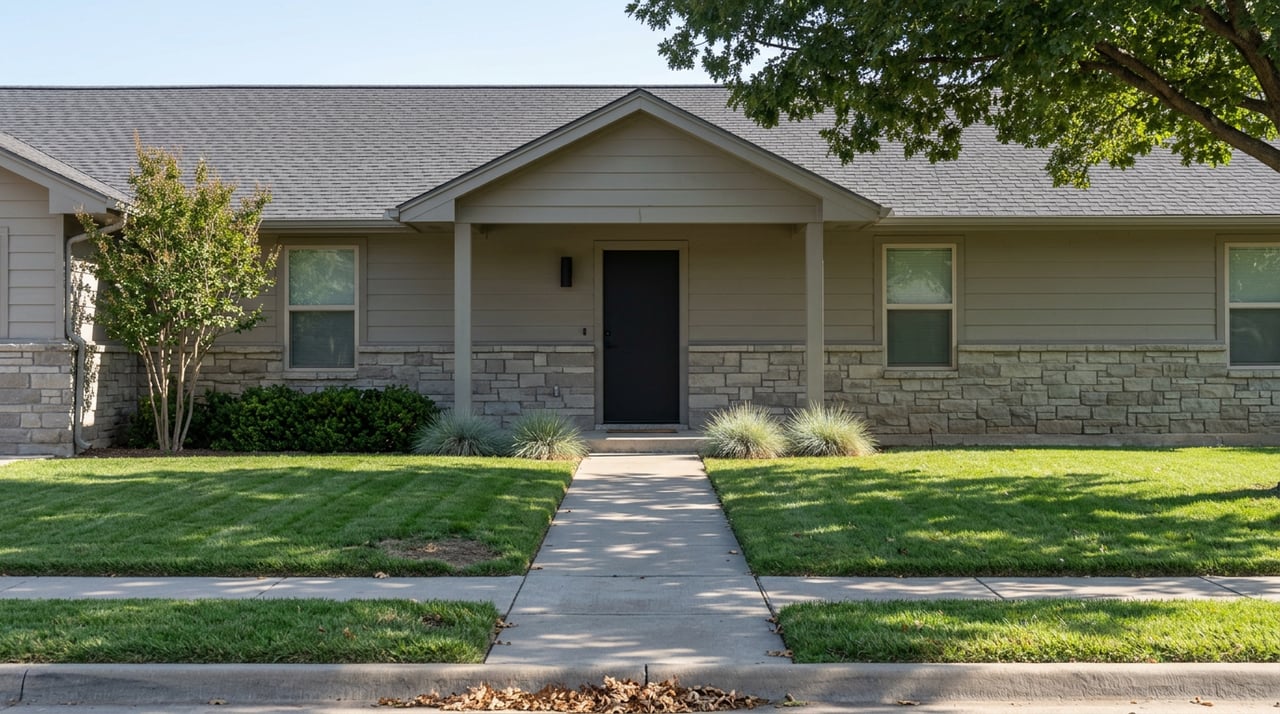
Trying to choose between a condo and a house in Denver? You are not alone. For many buyers, this decision comes down to more than price. It is about your monthly costs, your lifestyle, and how much control you want over your home now and later. If you are weighing your options in Denver, this guide will help you sort through the tradeoffs with more confidence. Let’s dive in.
Denver price gap matters
In Denver, the condo versus house decision often starts with affordability. According to REcolorado’s January 2026 housing report, the median closed price across the Denver metro area was $569,000, which shows how expensive the market still is.
That is why many buyers look at attached homes first. Reporting from The Colorado Sun found a clear gap between property types, with single-family home prices around $625,000 to $630,000 and condo and townhome medians around $390,000 to $409,000 depending on the month. On the surface, that makes condos look like the easier entry point.
Monthly cost is the real test
A lower purchase price does not always mean a lower monthly payment. In Denver, condo ownership can come with HOA dues, and those dues may rise over time along with insurance costs and shared repair expenses.
The same Colorado Sun reporting noted that rising HOA fees and insurance costs have become a major pressure point in the condo market. It also reported a condo and townhome affordability index of 108 versus 66 for single-family houses in July 2025, with the higher number meaning less affordability. In other words, the sticker price is only part of the story.
Before you decide, compare the full monthly cost of each option, including:
- Mortgage payment
- Property taxes
- Homeowners insurance
- HOA dues, if any
- Expected maintenance and repair costs
The Consumer Financial Protection Bureau also reminds buyers to budget for maintenance and repairs as part of the true cost of ownership. That matters whether you buy a condo or a detached home.
Condos offer less upkeep
If you want a more managed lifestyle, a condo may feel like the easier fit. In many condo communities, the HOA handles exterior maintenance, landscaping, and some common-area repairs.
That can be appealing if you travel often, prefer a lock-and-leave setup, or simply do not want to spend weekends on yard work. For some buyers, paying dues in exchange for less day-to-day upkeep is a worthwhile trade.
Houses offer more control
A detached house usually gives you more control over the property. You are generally making your own decisions about repairs, landscaping, and exterior changes, rather than working within an association structure.
That added control is valuable if you want privacy, outdoor space, or the freedom to customize. In a place like Denver, where Metro Denver notes the region gets nearly 300 days of sunshine a year, features like a yard, patio, or garden can play a big role in how you use your home.
HOA rules can shape ownership
One of the biggest differences between a condo and a house is how much authority an HOA has over your property. According to Colorado DORA’s guidance for buying in an HOA, association rules and restrictive covenants can limit what owners can do, and the board controls much of the maintenance and landscaping.
For some buyers, that structure is helpful. For others, it feels restrictive. If you are considering a condo, it is smart to read the governing documents closely so you understand the rules before you commit.
Condo insurance needs closer review
Insurance has become an especially important issue for condo buyers in Colorado. DORA explains that HOAs must maintain certain insurance for common elements, and buyers in attached-home communities should pay close attention to what is and is not covered, especially after hail or other natural disasters.
That is particularly relevant in Colorado, where DORA says the insurance market is under pressure from hail, high winds, wildfires, and rising labor and materials costs. Those pressures can ripple into HOA budgets, monthly dues, and future assessments.
Special assessments can change the math
This is one of the biggest reasons to look beyond the list price. Colorado DORA warns that special assessments are possible when an association faces major repairs, insurance shortfalls, or deferred maintenance.
That means a condo with a lower price tag could still become more expensive if the HOA is not financially healthy. A detached house puts repair responsibility on you, but at least you control the timing and scope of many of those decisions.
Financing can be easier with houses
When you buy a house, the lender is mostly evaluating the property and your finances. With a condo, the lender may also review the entire project.
Fannie Mae explains that lenders can flag condo projects for issues like critical repairs, inadequate insurance, significant litigation, or project features that make the development ineligible. That means a condo unit can look great on its own and still create financing headaches because of the larger community.
If you are considering a condo, ask early about the project’s financial health, insurance, and maintenance history. Fannie Mae also notes that buyers or owners can ask the HOA or lender to use Condo Project Manager to check for known eligibility issues.
Rental plans may affect your choice
If you think you may want rental flexibility later, that should be part of your decision from day one. In Denver, short-term rental licenses are only available for a person’s primary residence, and the city defines primary residence narrowly.
On top of that, HOAs can prohibit short-term rentals through their own rules and covenants. So if future Airbnb-style income is part of your long-term plan, a condo may come with more limitations than you expect.
Lifestyle should guide the choice
Numbers matter, but daily life matters too. The best choice often comes down to how you want to live in Denver.
A condo may be the better fit if you want:
- A lower entry price
- Less exterior upkeep
- Shared amenities
- A more lock-and-leave routine
A house may be the better fit if you want:
- More privacy
- Outdoor space
- More freedom to customize
- Fewer shared rules and restrictions
Neither option is better in every case. The right choice depends on which tradeoffs match your budget, habits, and long-term plans.
Questions to ask before deciding
Before you choose a condo or a house in Denver, ask yourself a few practical questions. These can help you move past the headline price and focus on the full ownership picture.
For condos, ask:
- What do the HOA dues actually cover?
- Is the HOA financially healthy?
- Have there been any special assessments?
- Is there deferred maintenance in the community?
- Are there rental restrictions?
- Will the property finance cleanly?
For houses, ask:
- Am I comfortable handling exterior maintenance?
- Do I want a yard or more private outdoor space?
- How much repair responsibility can I budget for?
- Is flexibility more important than a lower entry price?
DORA says buyers are entitled to review HOA governing and financial documents under Section 7 of the Colorado Contract to Buy and Sell, so if you are looking at a condo, use that review period carefully.
A smart Denver decision starts with fit
In Denver, condos usually trade a lower purchase price for more shared responsibility and more rules. Houses usually trade a higher purchase price for more control, more privacy, and more upkeep.
The right answer is not the same for every buyer. It depends on how you want to live, what you can comfortably afford each month, and how much flexibility you want later. If you want a clear, local perspective on which option makes the most sense for your goals, Glenn Janda can help you compare the real tradeoffs and move forward with confidence.
FAQs
What is the biggest difference between buying a condo and a house in Denver?
- The biggest difference is usually the tradeoff between lower entry price and shared HOA structure with a condo versus higher purchase price and more control with a detached house.
Are condos in Denver always more affordable than houses?
- Not always. Condos often have a lower purchase price, but HOA dues, insurance pressures, and possible special assessments can raise the total monthly cost.
What should you review before buying a condo in Denver?
- You should review the HOA’s governing documents, financial statements, insurance coverage, maintenance history, special assessment history, and any rental restrictions.
Can you use a Denver condo as a short-term rental?
- Possibly, but Denver only allows short-term rental licenses for a primary residence, and HOA rules may also prohibit short-term rentals.
Why can condo financing be more complicated in Denver?
- Condo financing can be more complicated because lenders may evaluate the entire condo project for issues like insurance, litigation, deferred maintenance, or project eligibility concerns.
When is a house a better choice than a condo in Denver?
- A house may be a better choice if you want more privacy, private outdoor space, more freedom to customize, and fewer HOA-related limitations.